Your team

Meet the Injectable Complications Team

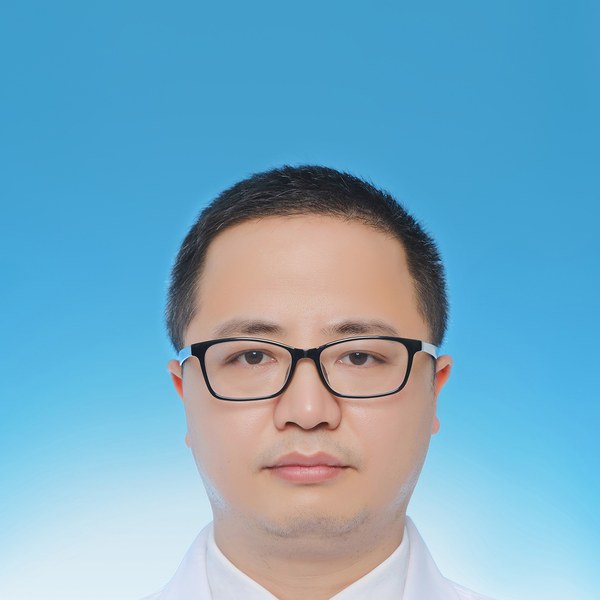
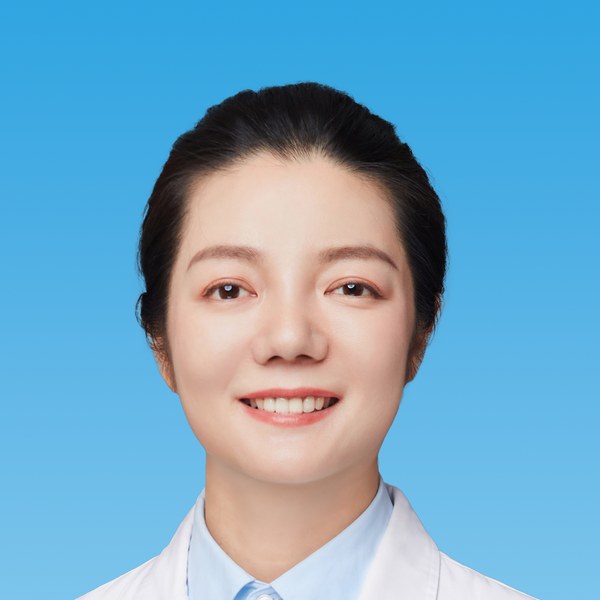
Four physicians staff the Plastic Surgery & Aesthetics Medical Center at Chongqing West District Hospital. Dr. Ke He is the responsible physician for this site and manages its injectable complications; the Center Director guarantees the hospital response behind her, and the surgical and dermatologic members of the team carry the cases in which an injectable cannot correct what has happened.

Specialist profiles

Who reviews this content

Ke He

Ke He (何锞)

Deputy Director & Head of Skin & Laser Aesthetics · Attending Physician, Licensed Aesthetic Attending · Lead Physician of This Site

Vascular safety · complication recognition · filler reversal

Dr. Ke He is Deputy Director of the Plastic Surgery & Aesthetics Medical Center and head of its skin and laser aesthetic service at Chongqing West District Hospital, and she is the responsible physician for the injectable content on this site. A core specialist formerly at the Plastic and Aesthetic Surgery Department of Xinqiao Hospital, affiliated with Army Medical University, she has spent her career on the clinical front line in skin laser and injectable aesthetics.

Her practice is non-surgical, and that is the point: she assesses the face at rest and in movement, decides which substance class — if any — actually reaches the problem, and stays responsible for the protocol when something does not go as planned. She works alongside the centre’s surgical team when an operation is the honest answer, and alongside dermatology when the skin itself is the problem.

Her injectable scope is framed by substance class rather than brand: botulinum toxin for dynamic lines and for facial slimming, hyaluronic-acid and non-hyaluronic-acid dermal fillers for volume and contour, collagen stimulators and biostimulators for tissue quality, skin boosters for the skin surface, and thread lifts in carefully selected cases. Plans are assessment-led, staged across visits, and reviewed honestly.

Clinical focus

  • Recognition and immediate management of vascular occlusion after injection
  • Reversal of hyaluronic-acid filler, and the limits of reversal by substance class
  • Assessment and management of nodules, lumps and delayed inflammatory reactions
  • Facial assessment before any injection: movement, volume by zone, tissue laxity
  • Documentation and follow-up of complications, including after treatment elsewhere

Academic roles & achievements

  • Member, Laser Medicine Group, Chinese Medical Association Plastic Surgery Branch
  • Member, Facial Rejuvenation Group, Chinese Medical Association Plastic Surgery Branch
  • Member, Chongqing Plastic Surgery Quality Control Center
  • Published 5 papers, holds 5 national patents, and introduced 2 new clinical techniques

A complication recognised in the first hour is a different problem

With a vascular occlusion the tissue that is starved of blood does not recover on its own, and the window in which it can be saved is short. That is why this site puts the emergency routing above every explanation, and why a patient who calls early and is told that nothing is wrong has done exactly the right thing.
Shaoliang Wang

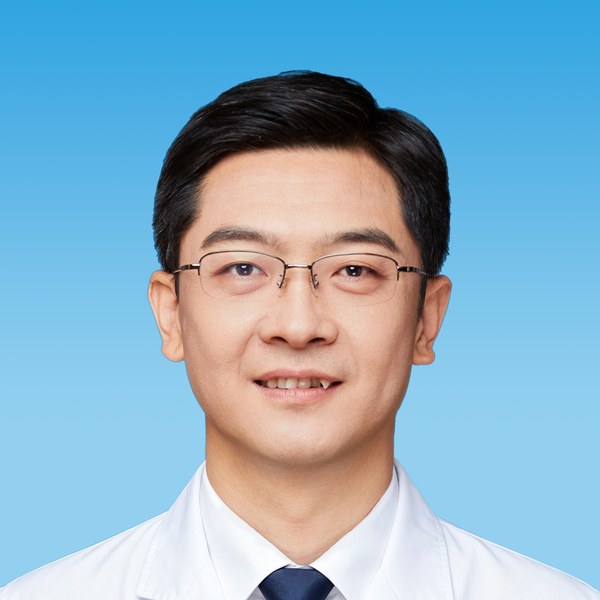
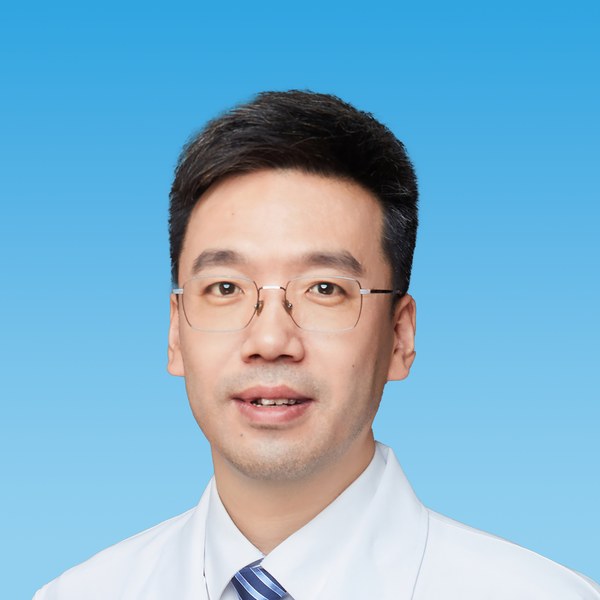
Shaoliang Wang (王韶亮)

Director, Plastic Surgery & Aesthetics Medical Center · Vice Chief Physician, Associate Professor, Doctor of Medicine

Centre leadership · surgical standards

Dr. Shaoliang Wang is Center Director of the Plastic Surgery & Aesthetics Medical Center at Chongqing West District Hospital and leads the four-doctor team in which Dr. He practices. His role is the guarantee that an individual practitioner's plan sits inside a departmental system rather than beside it.

For a patient with an injectable complication that system is what makes the response checkable: immediate access to the equipment and expertise to manage a vascular event, imaging and pathology when a lump needs to be characterised, and theatre-level care in the same building when a complication needs an operation.

Clinical focus

  • Center leadership and multidisciplinary case review
  • Hospital-based support when an injectable complication needs urgent care
  • Surgical management where a complication requires an operation
Tongchun Mao

Tongchun Mao (毛彤春)

Deputy Director & Head of Aesthetic Surgery · Vice Chief Physician, Licensed Aesthetic Attending

Aesthetic surgery · corrective surgery

Dr. Tongchun Mao is an aesthetic surgeon within the Plastic Surgery & Aesthetics Medical Center at Chongqing West District Hospital, where he is Deputy Director and Head of Aesthetic Surgery.

Within this team his role is the correction of what an injectable cannot fix: where a complication has left skin loss, scarring, a contour defect or an area that needs to be reconstructed rather than dissolved, the plan is surgical and is made with an honest account of what an operation can and cannot restore.

Clinical focus

  • Surgical correction of skin loss, scarring and contour defects after a complication
  • Honest assessment of what surgery can and cannot restore
  • Shared case planning within the four-physician team
Yongbo Jia

Yongbo Jia (贾勇波)

Deputy Director & Head of Dermatology · Vice Chief Physician, Licensed Aesthetic Attending

Dermatology · skin assessment · delayed reactions

Dr. Yongbo Jia is a dermatologist within the Plastic Surgery & Aesthetics Medical Center at Chongqing West District Hospital. Within the team his role is the skin itself.

In a complication pathway that work is the assessment of the skin over and around a treated area: distinguishing an inflammatory response from an infection, managing the pigment and barrier problems that follow skin injury, and characterising the nodules and delayed reactions that appear weeks or months after an injection.

Clinical focus

  • Dermatologic assessment of skin injury after an injectable
  • Management of nodules, lumps and delayed inflammatory reactions
  • Diagnosis and management of pigment and barrier conditions after treatment

Something does not feel right after a filler injection?

Contact the team now rather than waiting for a review appointment. This site cannot assess you, and a complication recognised in the first hour is usually a different problem from the same complication recognised on the third day.

Contact the Team